
Why 6 percent beats six percent
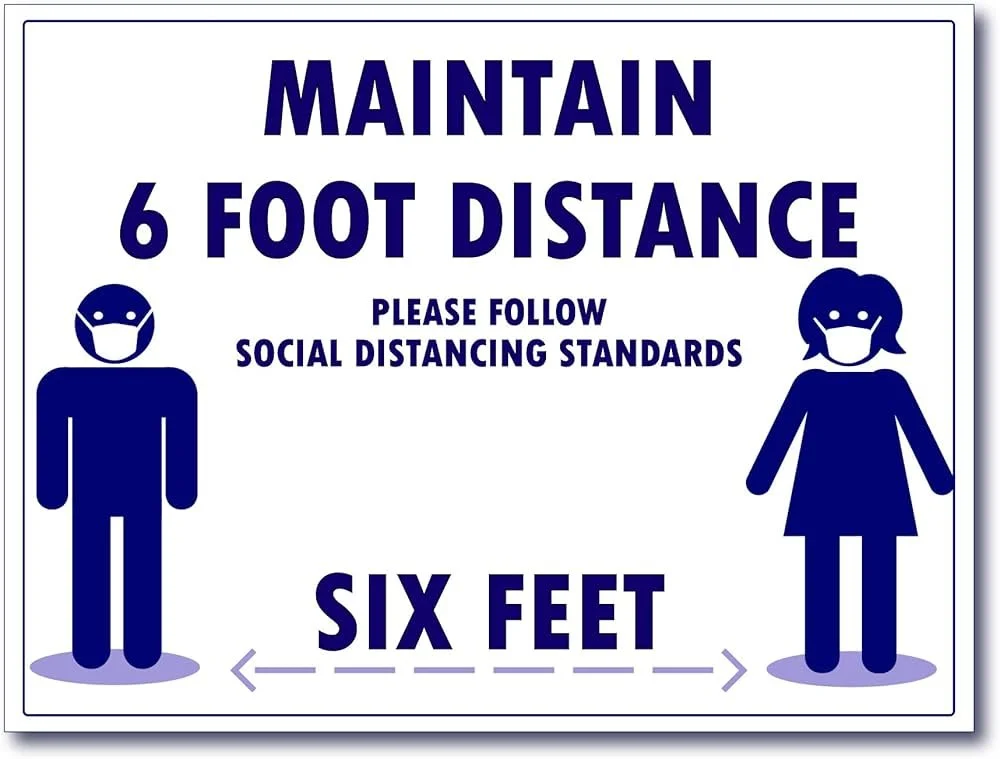
Here is an example of how we can be unconsciously influenced by literally anything.
A recent study in the Journal of Consumer Research is titled, “Are ‘10-Grams of Protein’ Better Than ‘Ten Grams of Protein’? How Digits Versus Number Words Influence Consumer Judgments.” It concludes that we typically respond better when numbers are shown as digits (e.g. “5”) than when they are written out (e.g. “five”).
In the study, Facebook ads had better click-through rates when they used digits instead of words. Reviews were deemed more helpful. Ads generated higher purchase intent.
The effect is more pronounced when we are skeptical about the information provided or when we are uncertain about the credibility of the source.
We are accustomed to seeing numbers in digit form, so they are easier to process that way. And previous research has shown that when things are easier to process, it increases liking and perceptions of trust.
In many cases, this won’t be very relevant. Almost every style guide suggests that a number 10 or higher should be rendered in digits unless it is the first word in a sentence. It is hard to imagine a marketer writing out “twenty-eight percent,” for example, in a piece of consumer-facing communication.
But this insight does have relevance particularly for numbers under 10. Like during COVID – should we have kept six feet of distance between us or 6 feet? Does that snack have eight grams of protein or 8 grams? Do I give this product five stars or 5 stars?