
When toys grow up
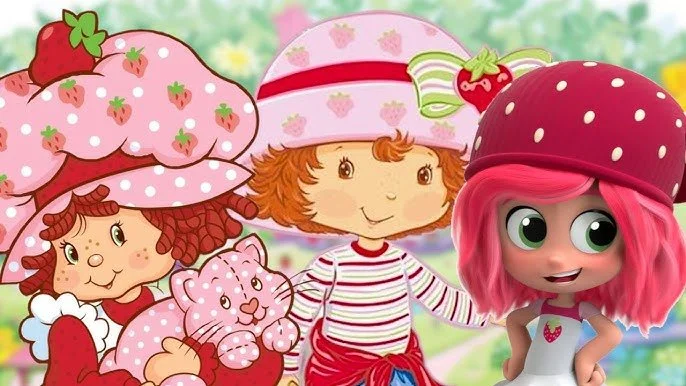
The trend of adults playing with toys, especially post-COVID, has been fairly well-documented. But another interesting trend is children playing with toys that look more adult.
This observation comes from the anonymous blogger known as Cartoons Hate Her, who writes extensively about social dynamics and culture. She refers to it as the "yassification" of toys.
She notes that many anthropomorphized dolls (think Strawberry Shortcake, Bratz, and Littlest Pet Shop dogs) look less like little children and real animals and more like Instagram teenagers with huge Elsa/Frozen eyes, sculpted cheekbones, and more adult features.
They sit in an uncanny valley between cute and adult. As the author puts it,
"There’s nothing inherently “grown up” about these new versions—it’s not like they’ve put Strawberry Shortcake in a pair of hot pants and a leather blazer. But she’s just…less cute. Less floppy. Less humble."
She blames, in part...market research. Little kids in focus groups play with older-looking dolls because they want to feel older. That desire isn't new. She notes that toy ads often feature kids who are a little too old to be playing with said toy so that those toys will seem cool to the younger kids they are designed for.
But she makes a case about a broader cultural trend—the expansion of adolescence. Little kids play with toys that make them feel like adolescents, while young adults are happy to linger in adolescence. Teenage drinking is down. Kids are having sex later. Teenagers are waiting longer to get their driver's licenses.
One wonders what the desire for extended adolescence means for the culture means more broadly—and what it means for brands trying to reach consumers who want to feel older at 8 and younger at 28.