
The Rummikub Revolution
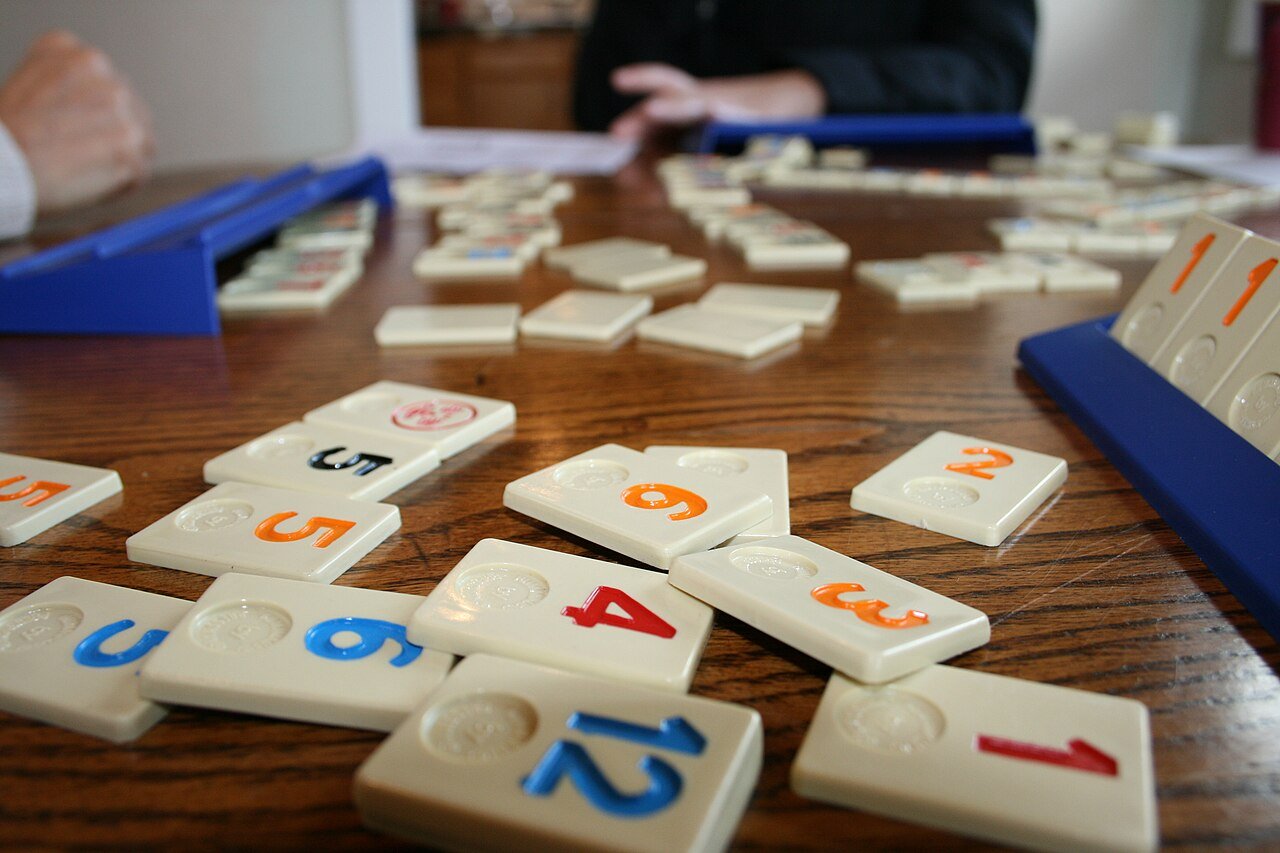
A surprisingly hot brand right now is Rummikub, a mid-20th century board game imported from Israel.
Libraries love them some Rummikub. Senior centers love Rummikub. Trendy millennials at swanky Santa Monica hotels love Rummikub.
Part of the charm is its accessibility. We have been in an era of gloriously complex board games. Warhammer, Gloomhaven, and the like are beloved by hardcore gamers and are technically marvelous, but require commitment to learn.
Things may be downshifting. Much to the disappointment of board game snobs, simpler games are staging a comeback and Rummikub is part of that wave. Anyone can play it, and although the rules are simple, you can be as cutthroat as you like.
Board games, as discussed in the wonderful new(ish) book Across the Board, are an almost universal and timeless part of the human experience. They have been woven into our social lives across centuries and cultures.
My wife and I experienced that recently. We went to our local board game cafe on a Friday night and it was stuffed wall-to-wall, with nerdy, offbeat people drinking beer, playing games, and raising harmless hell. It was really loud and really fun.
In the AI/social media era, board games represent something almost counterculture for Gen Z—an opportunity to put down the phones, interact face-to-face, and have a tactile experience with dice or tiles or game pieces.