
Pull up a chair…
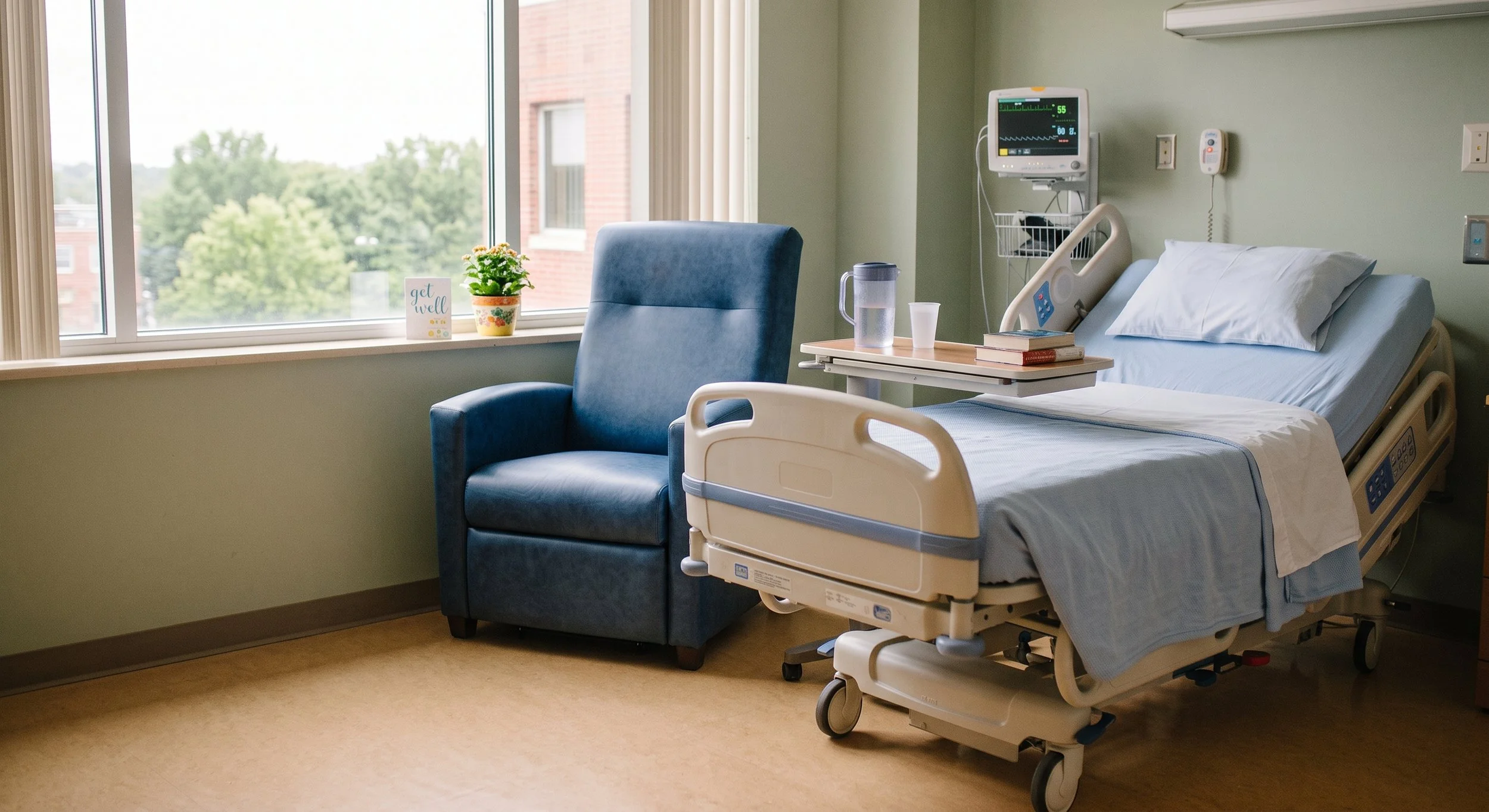
Hospitals conduct lots of surveys aimed at improving patient satisfaction. However, it is unlikely those surveys revealed one very easy answer that researchers at the University of Texas Southwestern Medical School discovered:
Their study, published in The BMJ, finds that placing a chair near the bed, instead of in its typical location off in a corner, dramatically increases the likelihood that a doctor will sit when addressing the patient. It didn't affect anything else—the content of the patient-physician interactions was essentially the same whether the physician was sitting or standing. But just the fact that the doctor was sitting transformed the patient experience.
Patients were more likely to see their seated physician as empathetic, a good communicator, and even more skilled. It also gave patients more confidence in the doctor's care plan and made them feel more informed.
Sitting is rare. In an inpatient setting, fewer than 20 percent of physicians (and fewer than 10 percent of trainees) sit when speaking to patients. The most cited reason? The inaccessibility of a chair. (Duh!)
There is a bottom-line impact to this. Patient satisfaction scores affect Medicare reimbursements. So moving a chair five feet across a room could lead to an outsized financial benefit.
Furthermore, physicians hate things that interrupt their workflow, even if those things might increase patient satisfaction. However, the magic of chair placement is that it affects their behavior unconsciously and doesn't require them to do anything differently. No persuasion necessary—just put the chair there.