
Medical metaphors
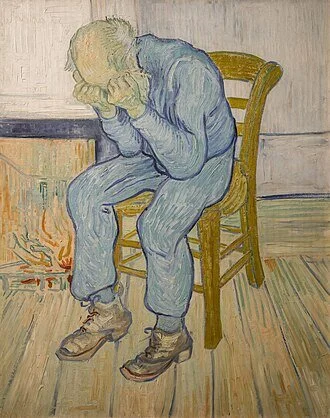
Thanks to OZ’s Kathy Shaw for sharing the latest episode of Shankar Vedantam's wonderful Hidden Brain podcast, which highlights how metaphor shapes the way we think about medical conditions.
For years, people thought fevers were a sign of imbalance, which structured how physicians treated them. If someone's temperature is running too hot and that's an imbalance, then what do you do? You pack them in ice and take other, sometimes extreme, measures to bring the temperature back down.
But in the early 20th century we learned that the balance metaphor misses the point. A fever is just a signal that something else is wrong. We shouldn't necessarily treat the fever. Instead, we should treat what is causing the fever.
Vedantam's podcast with psychologist Jonathan Rottenberg suggests modern psychology may be similarly missing the point with depression. We think about depression as a "chemical imbalance," but is it really?
You can't measure anything in the brain that tells you how depressed someone is. So, is "imbalance" the best metaphor?
Dr. Rottenberg suggests, like a fever, depression may be a signal that something external is wrong, that it is time to stop and re-evaluate something in your life. In fact, studies show that people who are depressed tend to see the world more accurately than people who are not.
He suggests, as does psychologist Lisa Feldman Barrett, that emotions are more predictions about the future than they are reactions to what is happening in the present. We think they are reactions to the present because that is how our conscious mind makes sense of those reactions. But that might not be correct.
It is a fascinating episode that explores the role of happiness in our culture (it's written into the U.S. Declaration of Independence. Isn't that weird, when you stop and think about it?) and examines what happiness really means.
I hold no opinion about whether Dr. Rottenberg's perspective is right or wrong, but wouldn't that be an interesting shift if we changed the metaphor of depression from "imbalance" to "stop sign"? What would that mean for treatment?
(By the way, if you don't have time to listen to the 60-minute podcast, the transcript is there for viewing.)