
How marketers can face fear
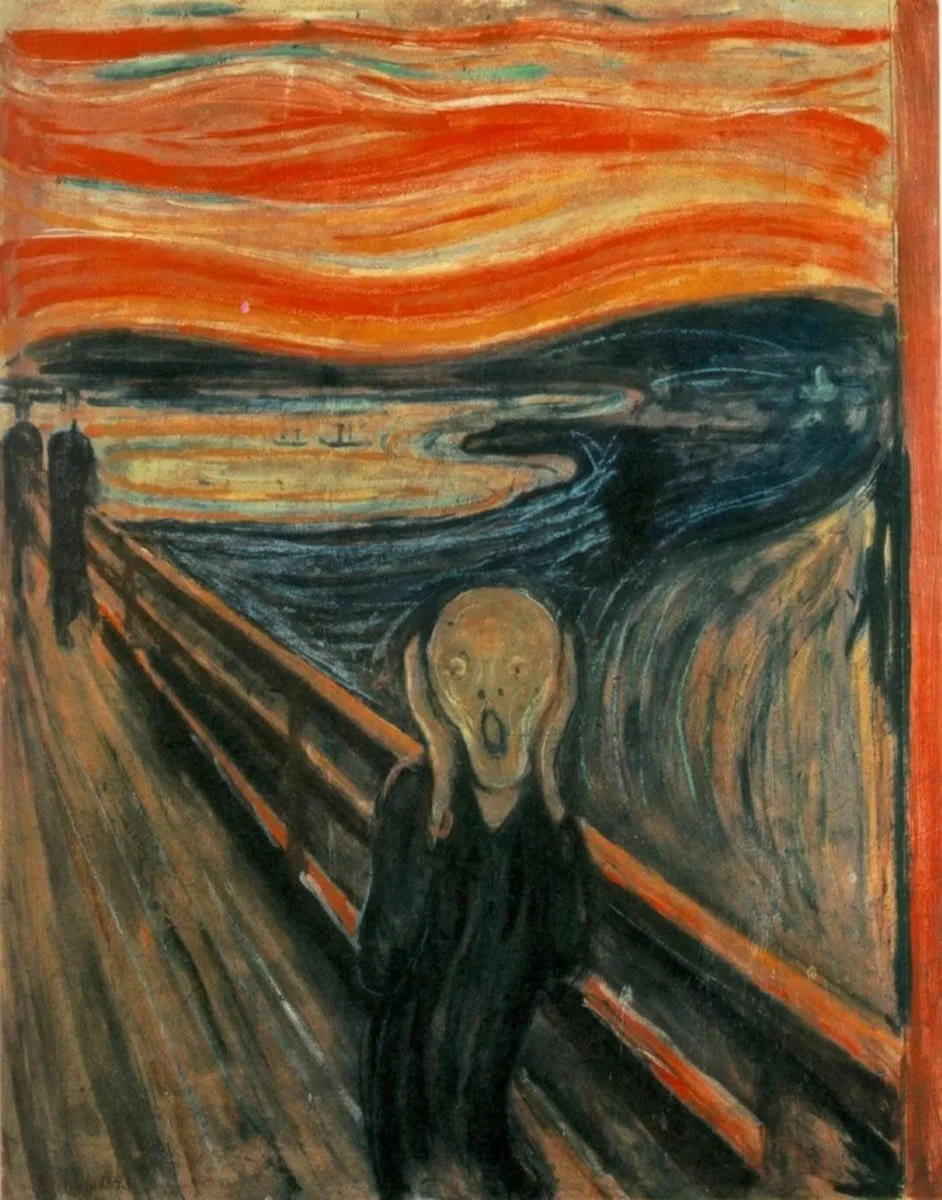
It’s not new news. It can feel pretty grim out there. There’s even a shorthand - VUCA (Volatility, uncertainty, complexity, ambiguity) - that’s used to describe environments like… the one we’re in now.
This kind of atmosphere, of course, can pose a significant challenge for brands, especially when rising fear seems to directly target your products and services. So how do brands deal with fears and anxieties that might prevent them from achieving their business goals? After all, fear is a powerful motivator.
A recent WARC article dove into successful brand responses to a rise in fear among consumers (“Fear” here being a blanket term for the more unpleasant emotions that could become a barrier for brands).
And it’s not limited to just economic uncertainty. The author discussed fear in both a category context and a larger, more ambient context. Think: rising anxieties about industrial impacts on the environment (a problem that’s particularly visible in the fashion industry) and general economic anxieties influencing overall purchasing behavior (a problem for everyone).
When it comes to addressing fear on a more macro scale, a notable example of how a brand adapted was from Hyundai. During the 2008 recession the automaker created the “Hyundai Assurance” program to combat anxieties around job loss and the risk of making a large purchase during an economically shaky moment. The program offered buyers and leasers the opportunity to return their car if they lost their job within the year after purchase.
There’s also the more category-based fear. For example, shifting narratives and trends in health and wellness has had a huge impact on purchasing behaviors in F&B. Beverage companies have met the challenge by innovating – adding new low/no sugar options, alcohol-free drinks, and functional beverages, among others, to their portfolios.
In the face of fear, the author's suggestion is to reframe the situation as an opportunity for innovation, like the F&B response to the changing health landscape. This reframe from threat to opportunity could help a brand not only stay resilient but also potentially become a leader in a challenging time.