
Here’s a shocker
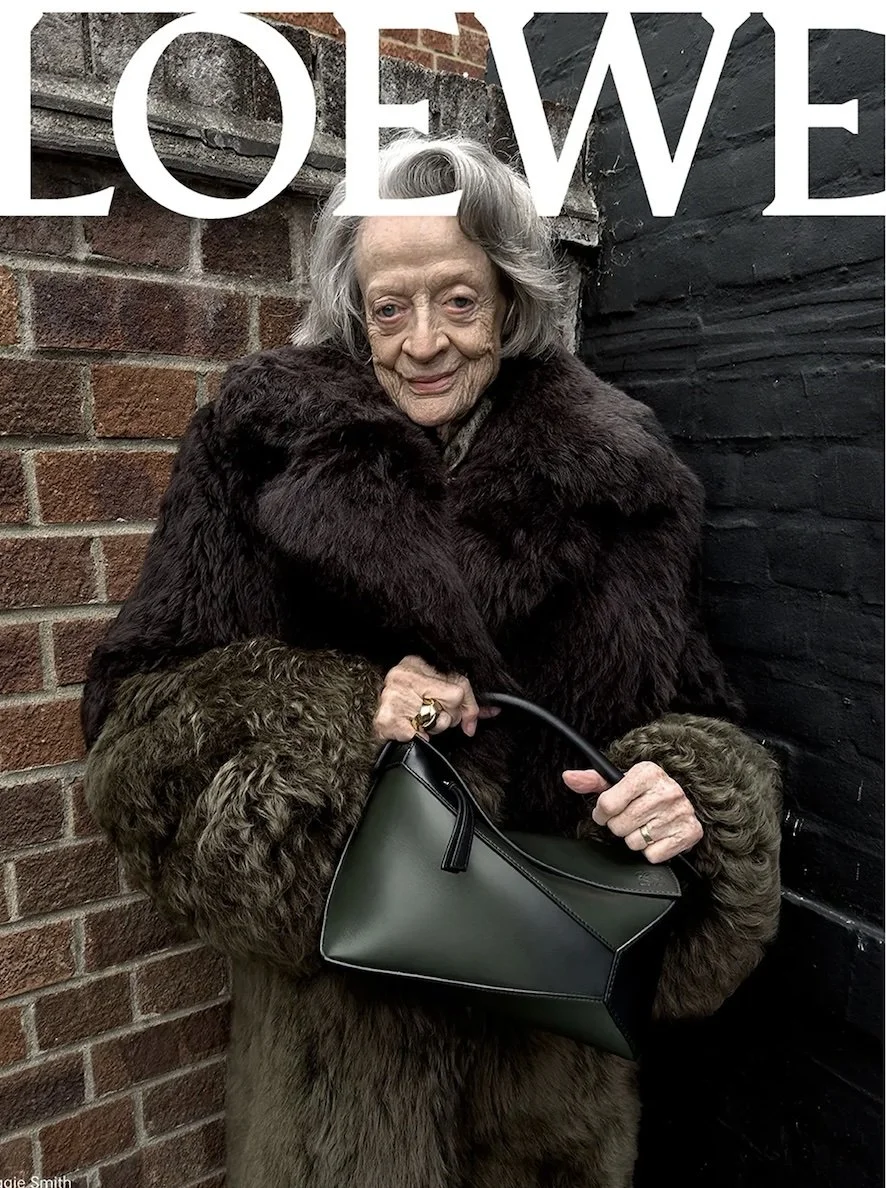
Surprise was a topic at Cannes this summer. According to this WARC article, the session centered on how eliciting surprise—via packaging, messaging, or innovation—invites consumers to rethink their perceptions of a brand. For example:
The fashion brand Loewe cast an 88-year-old Maggie Smith as the unlikely face of its Spring/Summer 2024 pre-collection campaign.
The Italian gin brand Engine defies all category norms with packaging that resembles an old motor oil can. (And the other surprise comes when you read reviews or taste it—despite the workaday container, the stuff is pretty good.)
Aldi's private label champagne, which you might expect to be middling at best, won World's Best Champagne at the World Champagne Awards 2025.
Surprise is an amplifier. It grabs attention and intensifies the feeling that follows by 400%. According to System1, surprising ads have a "fame score" 4.5x that of dull ads and 38% higher even than happy ads.
This may also explain why humor (done right) can be effective in advertising—surprise is one of five key elements of what makes something funny.
Of course, there are caveats. Some things are surprising but unpleasant. You don't want that. Some things are surprising and weird (e.g. Google Glass). You don't really want that either. That's what happens when an innovation or message is a little ahead of its time.
But done right, surprise can elevate a brand, especially a lesser-known brand or one trying to change established consumer beliefs.